


You’ve started an email list, created a signup form, and sent a few newsletters.
But something feels off.
Your subscriber count barely moves. Few people click your links. Sometimes, it feels like you’re sending emails into an empty room.
The frustrating part? Nothing appears broken.
That’s what makes beginners’ email marketing mistakes so hard to spot. They rarely come with warning messages. Instead, they show up as slow growth, weak engagement, or subscribers gradually losing interest.
The good news is that many of these problems are fixable.
Here are nine common email marketing mistakes, how to recognize them, and what you can do differently.
Affiliate Disclosure: This article contains affiliate links. If you join Wealthy Affiliate through one of my links, I may earn a commission at no additional cost to you. I recommend only products and services I have personally used or genuinely believe will add value for my readers. All opinions expressed in this review are my own.
Why Beginner Email Marketing Often Struggles
Email marketing isn’t just about collecting addresses and sending newsletters.
It’s about giving people a reason to subscribe, delivering what you promised, and building enough trust that they want to keep hearing from you.
For beginner bloggers, problems usually fall into three areas:
- List building: People visit your blog but don’t subscribe.
- Email engagement: Subscribers receive your emails but rarely interact.
- Subscriber relationships: People sign up but eventually lose interest.
Let’s look at the mistakes behind each problem.
Mistake 1: Giving Readers No Clear Reason to Subscribe
The symptom: Your blog gets visitors, but your email list barely grows.
A signup form that says “Subscribe to my newsletter” doesn’t explain what’s in it for the reader.
People already receive plenty of emails. Why should they add yours?
The fix: Make your offer specific.
Instead of “Get updates,” try:
“Get one practical blogging tip and a useful SEO resource every Thursday.”
You could also offer a relevant free resource, such as a checklist, worksheet, or template.
The important thing is that readers understand what they’re getting before they subscribe.
Want ideas for an effective signup incentive? Read EasyMonitize’s Lead Magnet Ideas for Bloggers for beginner-friendly resources you can create.
Mistake 2: Making Your Signup Form Difficult to Find
The symptom: Readers visit your articles but rarely join your list.
Your signup form might be buried in the footer, hidden behind a popup, or asking for too much information.
The fix: Keep it simple and visible.
Place signup opportunities where they’re relevant, such as near the end of useful articles or alongside a related free resource.
For most beginner newsletters, an email address is enough.
Check the form on your phone, too. Make sure it’s readable, easy to complete, and doesn’t interrupt the content unnecessarily.
A simple signup experience removes obstacles, although it doesn’t guarantee more subscribers.
Mistake 3: Buying Email Lists Instead of Building Your Own
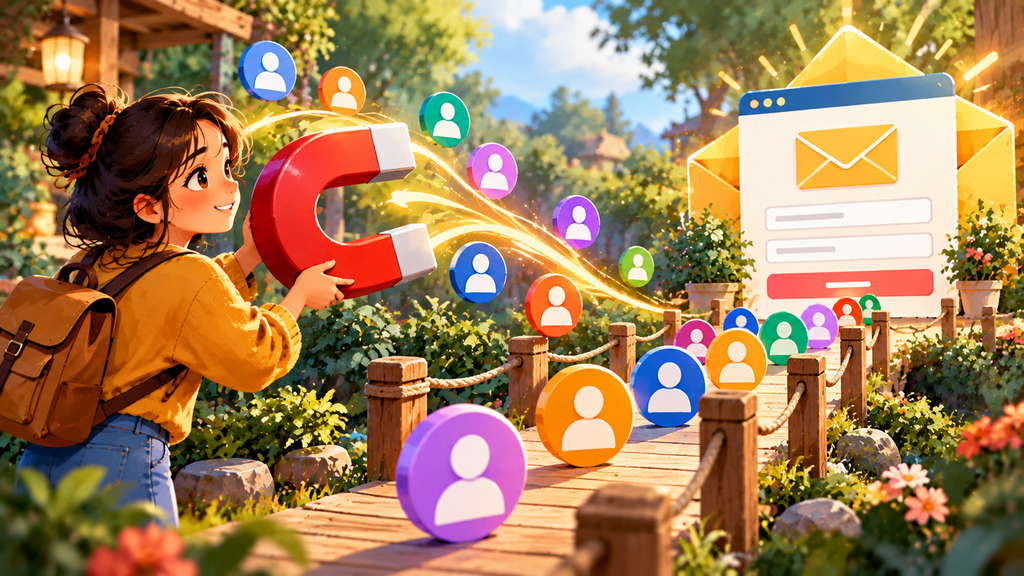
The symptom: You have plenty of addresses but little engagement, along with possible complaints or delivery problems.
Buying email lists might sound like a shortcut.
Unfortunately, those contacts may have no interest in your content and may not expect messages from you.
Purchased lists can also violate email service provider policies or applicable privacy and marketing laws.
The fix: Build a permission-based list.
Invite readers to subscribe voluntarily and clearly explain what they’ll receive.
Keep consent records where required, and don’t add people to marketing campaigns just because you have their email addresses.
Email rules differ by jurisdiction. For example, U.S. CAN-SPAM requirements aren’t identical to consent-based rules in other regions.
A smaller list of interested subscribers is generally more useful than a large collection of unfamiliar contacts.
Mistake 4: Writing Subject Lines That Don’t Match the Email
The symptom: Subscribers show little interest in your messages, even when the content is useful.
Your subject line is one of the first things people notice.
Vague titles, exaggerated promises, and misleading curiosity hooks can make emails easier to ignore.
The fix: Tell readers what they’ll actually find inside.
Compare:
“YOU NEED TO SEE THIS!!!”
With:
“3 Ways to Find Blog Topics Without Paid Tools”
The second is clearer and sets a realistic expectation.
Write subject lines after finishing your email. That makes it easier to describe the content accurately.
Remember that open rates aren’t completely reliable because some email apps automatically load tracking images. Evaluate clicks and other meaningful actions alongside opens.
Mistake 5: Sending Emails Without a Consistent Schedule
The symptom: Subscribers forget who you are, or unsubscribe after unexpected bursts of messages.
Some beginners send several emails during their first week, then disappear for months.
Others promise weekly updates but start emailing daily.
Neither approach helps readers know what to expect.
The fix: Choose a schedule you can realistically maintain.
For a beginner blogger, that might mean one email every week or two.
Tell subscribers how often you’ll contact them and follow through.
Consistency matters more than chasing a supposedly perfect sending day.
Mistake 6: Turning Every Email Into a Sales Pitch
The symptom: Subscribers stop clicking, replying, or showing interest.
Affiliate marketing can be part of your email strategy.
But if every message pushes another product, readers may wonder whether you’re helping them or just trying to make a sale.
The fix: Make your emails useful even when nobody buys anything.
Share practical tips, answer common questions, explain mistakes, or compare products fairly.
When recommending an affiliate product, discuss its limitations and who might not benefit from it.
Clearly disclose relevant affiliate relationships near the recommendation, and follow the affiliate program’s rules about email promotions.
You don’t need a rigid ratio of educational emails to promotional emails. Focus on relevance, transparency, and reader expectations.
Mistake 7: Ignoring Email Deliverability Basics
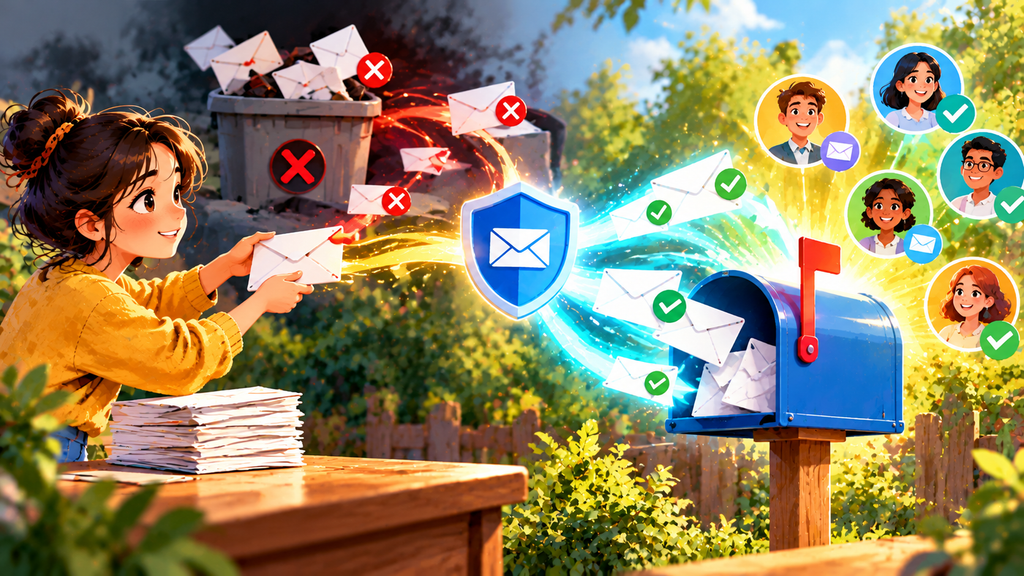
The symptom: Messages bounce, get rejected, or increasingly appear in spam folders.
Even good content won’t help if subscribers never receive it.
Email deliverability depends on several factors, including authentication, sending practices, complaints, and list quality.
The fix: Check these essentials:
- Use a recognizable, consistent sender name.
- Follow your email provider’s instructions for authenticating your sending domain.
- Configure applicable SPF, DKIM, and DMARC settings.
- Make unsubscribing straightforward.
- Review bounced addresses and complaints.
- Avoid repeatedly emailing contacts who haven’t meaningfully engaged.
Major inbox providers have additional requirements for higher-volume senders, including specific authentication and unsubscribe mechanisms.
Also, appearing in Gmail’s Promotions tab doesn’t automatically mean your email failed. It’s different from being rejected or classified as spam.
Mistake 8: Forgetting the Welcome Email
The symptom: People subscribe but don’t know what happens next.
Imagine signing up for a free blogging checklist and hearing nothing afterward.
You might wonder whether the signup worked.
The fix: Create a short automated welcome email.
It should:
- Deliver the promised resource.
- Introduce your blog and its purpose.
- Explain what emails subscribers can expect.
- Share one useful article or invite a relevant question.
You don’t need an elaborate automation sequence.
Start with one helpful welcome email, test it yourself, and expand later if your audience needs more guidance.
Mistake 9: Never Reviewing Your Email Results
The symptom: You keep sending newsletters but don’t know what’s improving.
Without reviewing performance, you can’t tell which topics interest your subscribers.
The fix: Track a few useful measurements.
| Subscriber growth | Whether your list is expanding |
| Click rate | Whether readers interact with your links |
| Replies | Whether readers engage in conversation |
| Unsubscribes | Whether people are choosing to leave |
| Bounces and complaints | Possible list-quality or delivery issues |
Open rates offer limited context, and privacy features can distort them. Automated security systems may also affect click tracking.
Compare patterns across several campaigns rather than making decisions from one email.
A Simple 7-Day Email Marketing Improvement Plan
You don’t need to fix everything at once.
Try this manageable schedule:
| 1 | Rewrite your signup offer to explain its value |
| 2 | Simplify your signup form and test it on mobile |
| 3 | Review your list sources and permission records |
| 4 | Create or improve your welcome email |
| 5 | Check sender authentication and unsubscribe settings |
| 6 | Draft one helpful email with a clear subject line |
| 7 | Review your available performance data and plan the next send |
After implementing these changes, give your email strategy time to produce useful data.
Look for patterns rather than expecting immediate improvements.
Frequently Asked Questions
What is the biggest email marketing mistake beginners make?
One of the most important is failing to explain why someone should subscribe. Without a clear offer, even interested blog visitors may leave without joining your list.
How often should beginner bloggers send emails?
Start with a schedule you can maintain, whether weekly, biweekly, or another reasonable frequency. Set expectations when people subscribe.
Can email marketing work with a small list?
Yes. A small list can support meaningful relationships, website visits, and relevant recommendations. Results depend on audience interest and email quality.
Are email open rates still useful?
They can provide rough context, but they don’t reliably prove that someone read a message. Consider clicks, replies, complaints, and other relevant outcomes as well.
Final Thoughts: Make Your Emails Worth Receiving
Email marketing doesn’t have to be complicated.
Start by giving readers a clear reason to subscribe. Make your signup process easy, deliver what you promise, and send emails that genuinely help.
Then pay attention to what subscribers do, not just how many addresses you’ve collected.
You won’t fix every problem overnight, but small improvements can make your email strategy more useful and sustainable.
Want to bring more interested readers to your blog? Explore EasyMonitize’s guide to getting traffic to an affiliate website and learn practical ways to reach your target audience.